A skyscraper is a towering, multi-storied structure, usually surpassing 100 meters, characterized by its steel framework and non-load-bearing walls. Originating in 19th-century Chicago and New York, it embodies urban modernity and technological advancement.
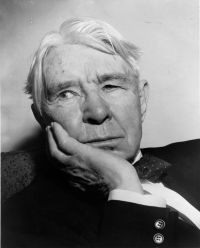
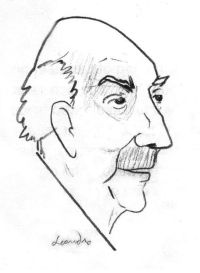
Writers have long debated its dual nature: Carl Sandburg praises its architectural poetry, comparing himself to a rivet in its girders, while Lewis Mumford criticizes its imposing scale, pointing out how few can genuinely feel its height. Theodore Dreiser portrays it as a setting for industrial energy, and Andre Norton envisions its future or deteriorated forms. These viewpoints together highlight the skyscraper as both a tribute to human aspiration and a reflection of societal change.
 John Roderigo Dos Passos,
Manhattan Transfer
(1925)
John Roderigo Dos Passos,
Manhattan Transfer
(1925)