Song sparrow

Definition and stakes

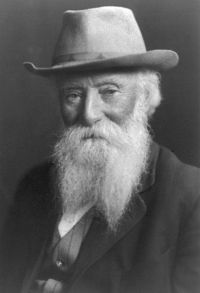
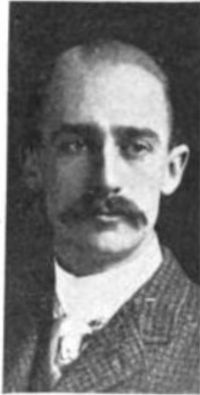
Portrait of Henry David Thoreau Henry David Thoreau,  Journal 02, 1850-September 15, 1851

“ The song sparrow, the most familiar and New England bird, is heard in fields and pastures, setting this midsummer day to music, as if it were the music of a mossy rail or fence post; a little stream of song, cooling, rippling through the noon,—the usually unseen songster usually unheard like the cricket, it is so common,—like the poet’s song, unheard by most men, whose ears are stopped with business, though perchance it sang on the fence before the farmer’s house this morning for an hour. There are little strains of poetry in our animals. ”
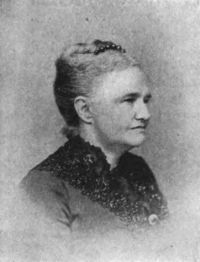
Source: Gutenberg

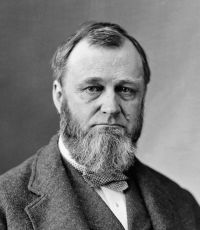
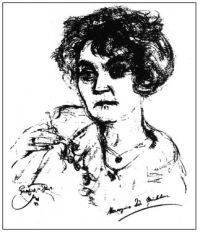
Portrait of Olive Thorne Miller Olive Thorne Miller,  Upon The Tree-Tops

“ The charm of his song is its clearness of tone and deliberateness of utterance. It is calm as the morning, finished, complete, and almost the only bird song that can be perfectly imitated by a human whistle. I never shared the enthusiasm of some of my fellow bird-lovers for the sparrows till I knew the white-throat and learned to love the dear little song sparrow. ”
Source: Gutenberg

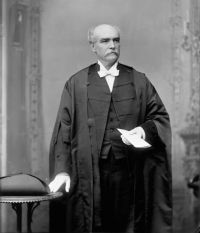
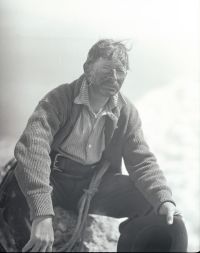
Portrait of John Burroughs John Burroughs,  Birds and Poets : with Other Papers

“ The sparrows are all meek and lowly birds. They are of the grass, the fences, the low bushes, the weedy wayside places. Nature has denied them all brilliant tints, but she has given them sweet and musical voices. Theirs are the quaint and simple lullaby songs of childhood. The white-throat has a timid, tremulous strain, that issues from the low bushes or from behind the fence, where its cradle is hid. The song sparrow modulates its simple ditty as softly as the lining of its own nest. The vesper sparrow has only peace and gentleness in its strain. ”
Source: Gutenberg

Get perspective with Kwize: daily news enlightened by great literature