Swordfighter

Definition and stakes

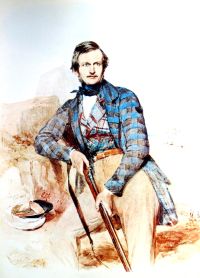
Portrait of Saxo Grammaticus Saxo Grammaticus,  The Danish History — Book VIII

“ Oft have I seen the stern kings meet in war, seen shield and helmet bruised, and the fields redden with blood, and the cuirass broken by the spear-point, and the corselets all around giving at the thrust of the steel, and the wild beasts battening on the unburied soldier. Here, as it chanced, one that attempted a mighty thing, a strong-handed warrior, fighting against the press of the foe, smote through the mail that covered my head, pierced my helmet, and plunged his blade into my crest. ”
Source: Wikisource

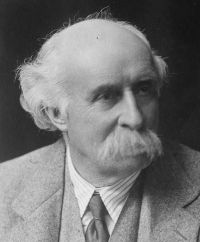
Portrait of Percival Christopher Wren Percival Christopher Wren,  Snake and Sword: A Novel

“ Sword Mounted, Bayonet-fighting, Tug-of-War, Fencing, and other officers’ and men’s events had been, or were being, contested.
The finals of the British Troops’ Sword v. Sword Dismounted, was being reserved for the last, as of supreme interest to the experts present, but not sufficiently spectacular to be kept for the evening final “show,” when the whole of Society would assemble to be thrilled by the final Jumping, Driving, Tent-pegging, Sword v. Sword Mounted, Bayonet-fighting, Sword v. Lance, Tug-of-War, and other events for British and Indian officers and men of all arms.
”
Source: Gutenberg

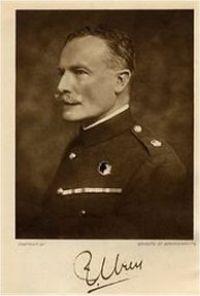
Baron Rowland George Allanson-Winn Headley,  Broad-Sword and Single-Stick

“ In all guards remember that it is not sufficient to oppose some part of your weapon to your adversary’s. You must meet him, if possible, with what the old masters called the “forte” of your blade, that is, the part from the hilt to the middle of the sword, with which you have naturally more power of resistance than with the lower half of the blade. Of course all guards must be made with the edge of the sword outwards, and make sure that you really feel your enemy’s blade (i.e. make a good clean guard) before attempting to return his attack. ”
Source: Gutenberg

Get perspective with Kwize: daily news enlightened by great literature