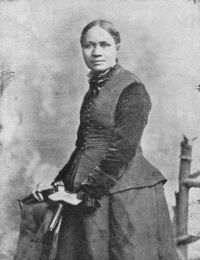
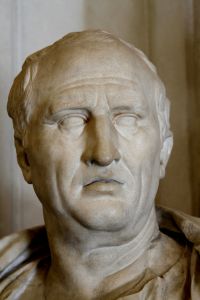
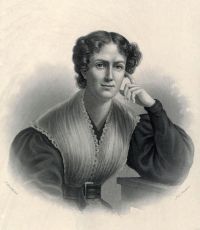
The temperance movement, a social initiative promoting abstinence or restraint from alcohol, arose in response to perceived moral, health, and family concerns associated with intoxication. From Cicero’s philosophical musings on moderation as a guide to reason to Frances Ellen Watkins Harper’s passionate moral campaign against the degradations of alcohol, writers examined its ethical and societal implications.
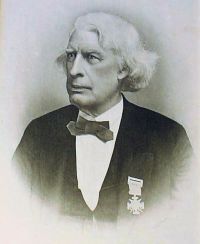
George William Brown emphasized its role in stirring national awareness, while Plato described it as the balance of reason over desire. The movement’s impact, from 19th-century reforms to prohibition legislation, highlights its significant influence on social and legal structures.
 George William Brown,
Baltimore and the Nineteenth of April…
George William Brown,
Baltimore and the Nineteenth of April…