Treaty obligation

Definition and stakes

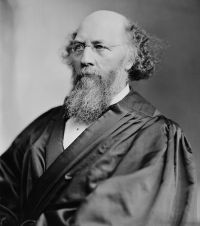
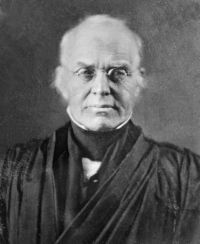
Portrait of Stephen Johnson Field Stephen Johnson Field,  Chew Heong v. United States — Dissent

“ A treaty is, in its nature, a contract between two or more nations, and is so considered by writers on public law; and by the constitution it is placed on the same footing and made of like obligation as a law of the United States. Both are declared in that instrument to be the supreme law of the land, and no paramount authority is given to either over the other.
Some treaties operate in whole or in part by their own force, and some require legislation to carry their stipulations into effect.
”
Source: Wikisource

Portrait of Joseph Story Joseph Story,  Commentaries on the Constitution of the United States (1833)

“ It is to be considered, that treaties constitute solemn compacts of binding obligation among nations; and unless they are scrupulously obeyed, and enforced, no foreign nation would consent to negotiate with us; or if it did, any want of strict fidelity on our part in the discharge of the treaty stipulations would be visited by reprisals, or war. [11] It is, therefore, indispensable, that they should have the obligation and force of a law, that they may be executed by the judicial power, and be obeyed like other laws. ”
Source: Wikisource

Get perspective with Kwize: daily news enlightened by great literature