Vase (pottery)

Definition and stakes

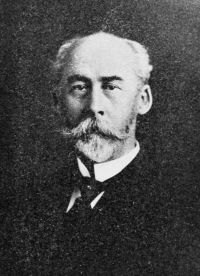
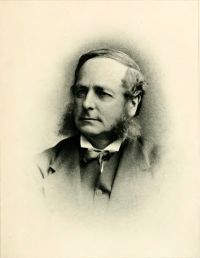
Portrait of Charles Wyllys Elliott Charles Wyllys Elliott,  Pottery and Porcelain, from early times down to the Philadelphia exhibition of 1876

“ They see a vase, or a ewer, or a candlestick, of fantastic shape, covered with a thin, greenish-yellow glaze, the coloring not by any means brilliant, and the surface seemingly inlaid and incrusted with the innumerable details of a most elaborate ornamentation, made out in quiet browns, blacks, and sad neutral tints. Nothing is less striking to a casual or an ignorant observer—nothing in the whole range of decorative art so absolutely exquisite in design and effect to the cultivated appreciation of a connoisseur in Renaissance-work. ”
Source: Gutenberg

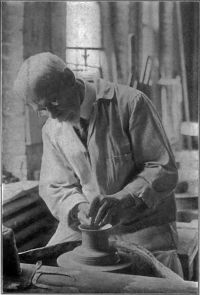
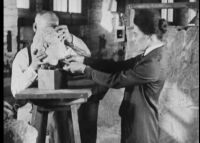
Portrait of Gisela M. A. Richter Gisela M. A. Richter,  The Craft of Athenian Pottery

“ The vase is painted white to show that it is as yet unglazed. A pair of calipers is hanging on the wall ready for use, to enable the potter to check the heights and widths of his products. To the right a youth is carefully carrying away a vase that has just been thrown, to dry. A similar vase is already standing on the other side of a column, drying in the open air or in a court. Both vases are painted white to indicate their unglazed condition. Next we see an old man walking leisurely with a stick. His dignified air is in strong contrast to the busy absorption of the workmen. ”
Source: Gutenberg

Thomas A. Joyce,  Mexican archaeology

“ This pottery is yellow or red and often unburnished, though a red or white slip is sometimes found; it is thick and not so well baked, and moulded rims are common. The ornament consists in bands or knobs in relief, and in series of incised lines or circles. Vase-feet are found in numbers, and occasionally handles, often in the form of a human hand. ”
Source: Gutenberg

Get perspective with Kwize: daily news enlightened by great literature