Vicarious atonement

Definition and stakes

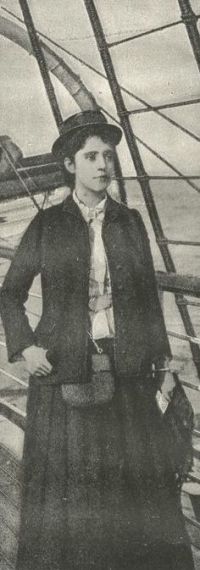
Portrait of H. P. Blavatsky H. P. Blavatsky,  The Key to Theosophy

“ The condition contemplated ... in which a man shall have been ‘awakened and converted to a certain extent from evil or wickedness,’ is that in which a man shall have realized that his deeds are evil and deserving of punishment. In that realization a sense of personal responsibility is inevitable, and just in proportion to the extent of his awakening or ‘converting’ must be the sense of that awful responsibility. While it is strong upon him is the time when he is urged to accept the doctrine of vicarious atonement. ”
Source: Gutenberg

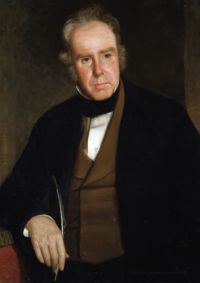
Portrait of Robert Green Ingersoll Robert Green Ingersoll,  The Works of Robert G. Ingersoll…

“ We must discard the doctrine of the atonement, because it is absurd and immoral. We are not accountable for the sins of "Adam" and the virtues of Christ cannot be transferred to us. There can be no vicarious virtue, no vicarious vice. Why should the sufferings of the innocent atone for the crimes of the guilty. According to the doctrine of the atonement right and wrong do not exist in the nature of things, but in the arbitrary will of the Infinite. This is a subversion of all ideas of justice and mercy.
An act is good, bad, or indifferent, according to its consequences.
”
Source: Gutenberg

Get perspective with Kwize: daily news enlightened by great literature