Waterproofing

Definition and stakes

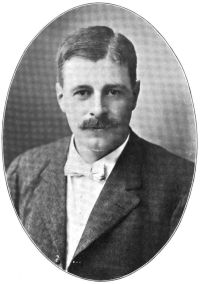
Portrait of Halbert Powers Gillette Halbert Powers Gillette,  Concrete Construction: Methods and Costs

“ In the present state of the art one can lay fast hold to only three things. The first is that waterproofing is one component of a system of drainage; the second is that structures must, to get the best results, be designed with the fact in mind that waterproofing is a component structural element, and the third is that skilled and conscientious workmanship are essential elements in the success of all waterproofing materials and methods. ”

Source: Gutenberg

Henry A. Gardner,  Paint Technology and Tests

“ Although some of the materials used for such purposes actually do give to the concrete a high power of water resistance, the degree of waterproofing to be obtained through the use of many such compounds varies to a wide extent, often interfering with the lime-silica reactions, and ultimately affecting the strength of the finished concrete. ”
Source: Gutenberg

Ira Samuel Griffith,  Carpentry (1916)

“ Waterproofing.—The extent to which a wall should be waterproofed will depend upon the location of the building. Foundations near running water must naturally be better protected than those in well drained locations. Fig. 7 illustrates a treatment which will prove quite safe for almost all localities. The exterior face of the wall is covered with several layers of asphaltum or tar. By coating the top of the footing and the top of the concrete floor just before the finish floor of cement is placed, little water will enter. ”
Source: Gutenberg

Get perspective with Kwize: daily news enlightened by great literature