Wing (biology)

Definition and stakes

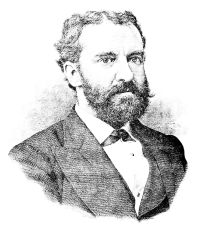
Elias Lewis Jr.,  Popular Science Monthly (1874)

“ Curves in the Wing of a Partridge in Flight.
The wings, when flexed and extended in flight, assume curved surfaces, which change at each instant and carve the air, as does the tail of the fish the water, into complex wave-lines; and such is the structure of the wing that these results are inevitable when it is put in motion. "The muscles, bones, ligaments, and feathers, are so adjusted with reference to each other that, if the wing is moved at all, it must move in the proper direction." The bird no more thinks of its motions in flying than we do of ours in walking
”
Source: Wikisource

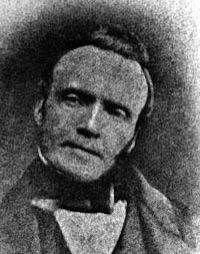
Portrait of James Bell Pettigrew James Bell Pettigrew,  Animal Locomotion; or, walking…

“ In all the wings which I have examined, whether in the insect, bat, or bird, the wing is recovered, flexed, or drawn towards the body by the action of elastic ligaments, these structures, by their mere contraction, causing the wing, when fully extended and presenting its maximum of surface, to resume its position of rest and plane of least resistance. ”
Source: Gutenberg

Portrait of James Bell Pettigrew James Bell Pettigrew,  Animal Locomotion; or, walking…

“ The wing is beautifully twisted upon itself, and when it is elevated and advanced, it rolls up from the side of the bird at varying degrees of obliquity, till it makes a right angle with the body, when it presents a narrow or cutting edge to the water. The wing when fully extended, as in ordinary flight, makes, on the contrary, an angle of something like 30° with the horizon. When the wing is depressed and carried backwards,58 the angles which its under surface make with the surface of the water are gradually increased. ”
Source: Gutenberg

Get perspective with Kwize: daily news enlightened by great literature