Zengzi

Biographical details

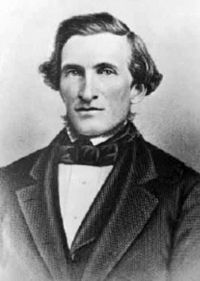
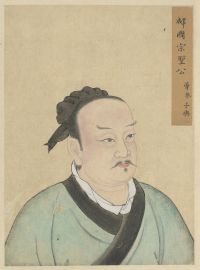
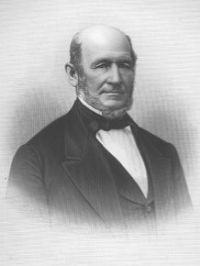
Portrait of Zengzi Zengzi,  The Classic of Filial Piety

“ Above others, and yet free from pride, they dwell on high, without peril. Adhering to economy and carefully observant of the rules and laws, they are full, without overflowing. To dwell on high without peril is the way long to preserve nobility; to be full without overflowing is the way long to preserve riches. When their riches and nobility do not leave their persons, then they are able to preserve the altars of their land and grain, and to secure the harmony of their people and men in office. This is the filial piety of the princes of states. ”
Source: Wikisource

Portrait of Zengzi Zengzi,  The Great Learning (1872)

“ The virtuous ruler, by means of his wealth, makes himself more distinguished. The vicious ruler accumulates wealth, at the expense of his life. Never has there been a case of the sovereign loving benevolence, and the people not loving righteousness. Never has there been a case where the people have loved righteousness, and the affairs of the sovereign have not been carried to completion. ”
Source: Wikisource

Portrait of Zengzi Zengzi,  The Great Learning (1872)

“ When the sovereign behaves to his aged, as the aged should be behaved to, the people become filial; when the sovereign behaves to his elders, as the elders should be behaved to, the people learn brotherly submission; when the sovereign treats compassionately the young and helpless, the people do the same. Thus the ruler has a principle with which, as with a measuring square, he may regulate his conduct. What a man dislikes in his superiors, let him not display in the treatment of his inferiors; what he dislikes in inferiors, let him not display in the service of his superiors ”
Source: Wikisource

Get perspective with Kwize: daily news enlightened by great literature