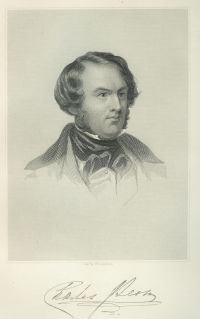
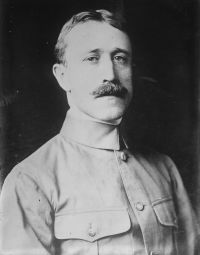
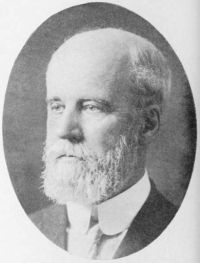
Insubordination, defined as the intentional disregard of legitimate commands from those in authority, has long been a central topic in debates about power and hierarchy. From military regulations to corporate systems, it highlights the tension between compliance and personal autonomy. Authors such as Herbert Spencer critiqued the illusions created by uncritical devotion to authority, while Charles Battell Loomis humorously examined its real-world effects in everyday situations.
Cecil Rhodes viewed it as a danger to shared goals, and Paul Janet cautioned against its risks in military settings. These differing viewpoints illustrate insubordination as both a legal offense and a force that challenges established systems of power, underscoring its lasting significance in organized societies.