Mildness

Definition and stakes

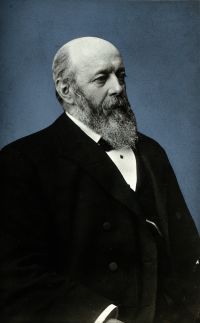
David McDowall Hannay,  1911 Encyclopædia Britannica, Volume 13… (1911)

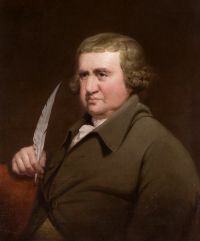
“ The different kinds of moisture in man’s body, reckoned by the old physicians to be phlegm, blood, choler and melancholy, which as they predominate are supposed to determine the temper of mind. (3) General turn or temper of mind. (4) Present disposition. (5) Grotesque imagery, jocularity, merriment. (6) Tendency to disease, morbid disposition. (7) Petulance, peevishness. (8) A trick, a practice. (9) Caprice, whim, predominant inclination.” The list was not quite complete, even in Dr Johnson’s own time. Humour was then, as it is now, the name of the semi-fluid parts of the eye. ”
Source: Wikisource

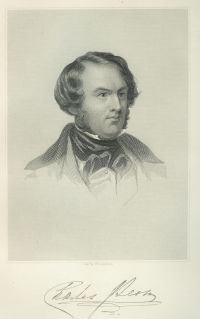
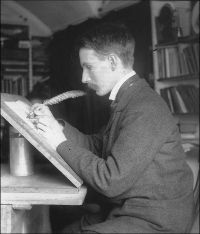
Portrait of John Morley John Morley,  Diderot and the Encyclopædists…

“ Imagine a sour and melancholy person, eaten up by vapours, wrapped twice or thrice round in his dressing-gown, discontented with himself, and discontented with every one else; out of whom you hardly wring a smile, if you put your body and soul out of joint in a hundred different ways; who examines with a cold considering eye the droll grimaces of my face, and those of my mind, which are droller still. ”
Source: Gutenberg

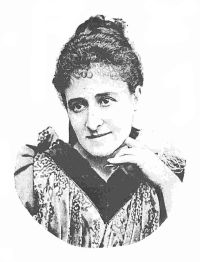
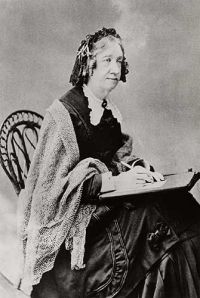
Portrait of Ada S. Ballin Ada S. Ballin,  Science of Dress (1885)

“ Hence arise indigestion, constipation, headaches, weariness, depression of spirits, palpitation, and a feeling of oppression at the heart, pain in the side, eruptions on the skin, which either feels chilly all over its surface or sometimes burns, and, what will probably seem of much more importance to those whom vanity has induced to lace tightly, pallor and thickness of complexion, with a yellowish or greyish tinge to the cheeks, and owing to impaired circulation, swelling and redness of the hands and feet, and, worst of all to the would-be beauty, redness of the nose. ”
Source: Wikisource

Get perspective with Kwize: daily news enlightened by great literature