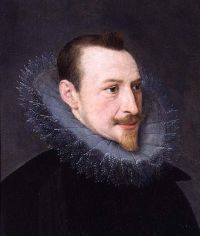
Edmund Spenser

Edmund Spenser

Summary

Portrait of Edmund Spenser Edmund Spenser The Works of Edmund Spenser (1857)

In his writings we have the same fertility of imagination, the same vivid powers of description, the same nervous grasp of his subject;—but that subject is restricted and unpervading; and he lavishes the exuberance of his invention and fancy in depicting manners and customs destined to be forgotten by succeeding generations, Shakspeare is the poet of the passions, while Spenser is the poet of habit: the one has an universal command over our intellect
Source: Wikisource

Portrait of Edmund Spenser Edmund Spenser The Works of Edmund Spenser (1857)

In no other respect, however, can the two be considered as rivals: in delineation of character and lavish minuteness of description, our countryman stands alone. His creations partake not of the undisciplined and libertine genius of Ariosto: though perhaps too evanescent and shadow-like to retain a lasting hold on the attention, they possess all the imagined grace of the inhabitants of another world,—a region of enchantment, created by himself, in which fresh flowers are ever springing, and new beauties are presented to us at each step in our progress.
Source: Wikisource

Portrait of Edmund Spenser Edmund Spenser The Works of Edmund Spenser (1857)

Ah! nay (said Colin) neither so, nor so:
For better shepheards be not under skie,
Nor better hable, when they list to blow
Their pipes aloud, her name to glorifie
There is good Harpalus, now woxen aged
380
In faithful service of faire Cynthia:
And there is Corydon though meanly waged,
Yet hablest wit of most I know this day.
And there is sad Alcyon bent to mourne,
Though fit to frame an everlasting dittie,
385
Whose gentle spright for Daphnes death doth tourn
Sweet layes of love to endlesse plaints of pittie.
Source: Wikisource

Get perspective with Kwize: daily news enlightened by great literature