Summary

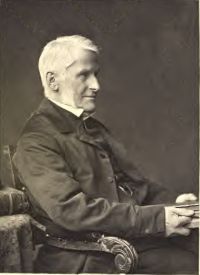
Portrait of Edward Hoare Edward Hoare The Atonement, as taught by the Church of England…

Our one compensation is the fact that the Lord Jesus has endured the curse of all. Away with all limits to that work of his, which may either fetter its freedom or detract from its fulness! our hope is that it reaches down so low that the guilty sinner need bring nothing as the purchase of his reconciliation, and it rises so high that he stands accepted in the righteousness of God. Away with all thoughts of either requiring or presenting any fresh propitiation, with all idea of offering a second time the risen Lord, who now reigns exalted on the throne.
Source: Gutenberg

Portrait of Edward Hoare Edward Hoare The Atonement, as taught by the Church of England…

How can there be peace p. 22while we are striving to effect an impossibility, and to make satisfaction to that broken law which could only be satisfied by the blood of the Son of God? How can there be peace while we are toiling to reach the atonement instead of simply trusting it, and hoping by holiness, good works, and penance to make such a qualifying righteousness, as shall fit us for the reception of the grace of God? How can there be peace if the justice of God still hangs over the accepted believer, and requires centuries of purgatorial flame as a further expiation for his forgiven sin?
Source: Gutenberg

Portrait of Edward Hoare Edward Hoare The Atonement, as taught by the Church of England…

No; if that were our hope, we might weep till the ocean overflowed with the deep tide of our penitential tears; we might lacerate and emaciate the poor human frame till it could no longer contain the worn and peaceless spirit; but, after all, there could be no peace, no satisfaction, no propitiation of God’s justice, and therefore no relief from the weight and burden of our sin.
Source: Gutenberg

Get perspective with Kwize: daily news enlightened by great literature