Felix Frankfurter’s concurring opinion in Dennis v. United States (1951) examines the constitutional limits of free speech under the First Amendment, especially in relation to the Smith Act’s constraints on promoting the overthrow of the government. Written during the height of Cold War tensions, the opinion tackles the challenge of balancing the protection of dissent with the need for national security. It stresses that although the Constitution defends advocacy, it does not exempt laws from evaluation concerning their fairness or effect on society.
Frankfurter criticizes the merging of constitutional validity with moral judgment, cautioning that excessive dependence on legal structures may stifle critique and weaken democratic strength. The text highlights the judiciary's function in reconciling governmental power with civil liberties, exploring themes of suppression, transformation, and the delicate relationship between law and political belief. Frankfurter’s argument ultimately maintains that freedom of speech, though not unlimited, remains a fundamental element of a society’s dedication to diversity and self-examination.
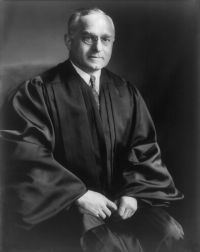 Felix Frankfurter,
Dennis v. United States — Concurring Opinion
Felix Frankfurter,
Dennis v. United States — Concurring Opinion
