Summary

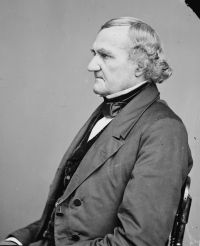
Portrait of John Catron John Catron United States v. Boyd (40 U.S. 187…

It is too plain for argument, that Boyd did not faithfully perform his duty, if he neglected to pay over these moneys, after the 15th of June, whenever they first came there.
If, then, this was a duty of the principal; if a neglect of it was a breach of the condition of the bond on his part; is there anything which exempts the sureties from liability on account of it? What are the sureties bound for? They are bound to answer for their principal performing every duty whatever, which belonged to his office, at the time they executed the bond.
Source: Wikisource

Portrait of John Catron John Catron United States v. Boyd (40 U.S. 187…

All who bind themselves in a bond, are equally obligors; and there are many cases, in the construction of bonds, where the letter of the condition has been departed from, to carry into effect the intention of the parties. And it is a rule in the construction of all deeds, that they are to be construed most strictly against those who make them, and most favorably for those for whose benefit they are made, as every contract is.
Source: Wikisource

Portrait of John Catron John Catron United States v. Boyd (40 U.S. 187…

The supreme court may now be informed, that for the amount of his defalcation, Boyd, in an action of assumpsit, at the suit of the United States against him, for so much money had and received to the use of the United States, has confessed a judgment in the court below. But be this as it may, it cannot be true, that the sureties can be inculpated for any defalcation that may have occurred prior to their having become sureties. The contract of a surety is to be construed strictly, both in law and in equity; and his liability is not to be extended by implication beyond the terms of his contract.
Source: Wikisource

Get perspective with Kwize: daily news enlightened by great literature