Summary

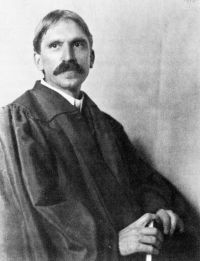
Portrait of John Dewey John Dewey The School and Society — Three Years of the University Elementary School (1899)

What can be done in the way of introducing subject-matter in history and science and art, that shall have a positive value and real significance in the child's own life; that shall represent, even to the youngest children, something worthy of attainment in skill or knowledge; as much so to the little pupil as are the studies of the high-school or college student to him? You know what the traditional curriculum of the first few years is, even though many modifications have been made.
Source: Wikisource

Portrait of John Dewey John Dewey The School and Society — Three Years of the University Elementary School (1899)

If I do not spend a large amount of time in speaking of the music and art work, it is not because they are not considered valuable and important—certainly as much so as any other work done in the school, not only in the development of the child's moral and æsthetic nature, but also from a strictly intellectual point of view. I know of no work in the school that better develops the power of attention, the habit of observation and of consecutiveness, of seeing parts in relation to a whole.
Source: Wikisource

Portrait of John Dewey John Dewey The School and Society — Three Years of the University Elementary School (1899)

Through common devotion to the best development of the child, through common loyalty to the main aims and methods of the school, our teachers have demonstrated that in education, as in business, the best organization is secured through proper regard for natural divisions of labor, interest, and training. The child secures the advantage in discipline and knowledge of contact with experts in each line, while the individual teachers serve the common thought in diverse ways, thus multiplying and re-inforcing it.
Source: Wikisource

Get perspective with Kwize: daily news enlightened by great literature