Summary

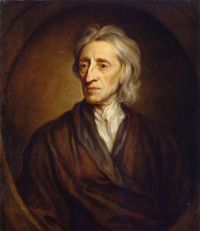
Portrait of John Locke John Locke Two Treatises of Government — The First Treatise of Government… (1689)

To make way for this doctrine, they have denied mankind a right to natural freedom; whereby they have not only, as much as in them lies, exposed all subjects to the utmost misery of tyranny and oppression, but have also unsettled the titles, and shaken the thrones of princes: (for they too, by these mens system, except only one, are all born slaves, and by divine right are subjects to Adam’s right heir;) as if they had designed to make war upon all government, and subvert the very foundations of human society, to serve their present turn.
Source: Wikisource

Portrait of John Locke John Locke Two Treatises of Government — The First Treatise of Government… (1689)

Would it not be an argument just like this for monarchical government, to say, when any monarchy was shattered to pieces, and divided amongst revolted subjects, that God was careful to preserve monarchical power, by rending a settled empire into a multitude of little governments? If any one will say, that what happens in providence to be preserved, God is careful to preserve as a thing therefore to be esteemed by men as necessary or useful
Source: Wikisource

Portrait of John Locke John Locke Two Treatises of Government — The First Treatise of Government… (1689)

Slavery is so vile and miserable an estate of man, and so directly opposite to the generous temper and courage of our nation; that it is hardly to be conceived, that an Englishman, much less a gentleman, should plead for it. And truly I should have taken Sir Robert Filmer’s Patriarcha, as any other treatise, which would persuade all men, that they are slaves, and ought to be so, for such another exercise of wit, as was his who writ the encomium of Nero
Source: Wikisource

Get perspective with Kwize: daily news enlightened by great literature