Summary

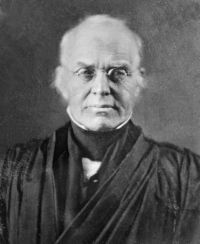
Portrait of Joseph Story Joseph Story United States v. Bailey — Opinion of the Court (1835)

No one can well doubt the propriety of requiring the facts which are to support a claim, and rest on testimony, to be established under the sanction of an oath; and especially in cases of the nature of those which are referred to in the act, where the facts are so remote in point of time, and must be so various in point of force and bearing. It cannot be presumed that congress were insensible of these considerations, or intended to deprive the secretary of the treasury of the fullest use of the best means to accomplish the end, viz. to suppress frauds, and to ascertain, and allow just claims.
Source: Wikisource

Portrait of Joseph Story Joseph Story United States v. Bailey — Opinion of the Court (1835)

In prosecuting Bailey, therefore, for false swearing, in support of a claim against the government, nothing was done which the common law would not sanction. But as it is not contended that the circuit court derives from the common law any power to punish offences; it remains to show that the indictment and the case shown in the certificate, fall within the statute upon which the prosecution was based.
Source: Wikisource

Portrait of Joseph Story Joseph Story United States v. Bailey — Opinion of the Court (1835)

The act of 1823 does not prescribe what magistrates shall administer the oath, or affirmation. If there is any doubt of the false swearing being a crime under the statute, it must rest on the assertion, that congress meant to make it an offence, only, where the affidavit was taken before a judicial officer of the United States, or an officer of a state specially authorized to administer the oath.
Source: Wikisource

Get perspective with Kwize: daily news enlightened by great literature