Summary

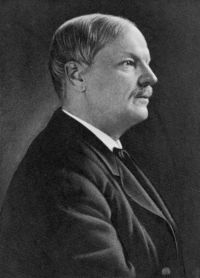
Portrait of Robert Means Lawrence Robert Means Lawrence The Magic of the Horse-shoe, with other folk-lore notes

Very early in the morning the little patient is brought to the shop of a smith of the seventh generation, if such can be found, and laid quite naked on the anvil. The blacksmith raises his hammer thrice as if to strike a glowing horse-shoe, each time letting it gently fall on the child’s body,—a simple ceremony, but vastly promotive of the child’s physical welfare, in the minds of its rustic parents.
The farriers of the Arabs inhabiting the oases of the great Sahara desert are exempt from taxes and enjoy numerous privileges.
Source: Gutenberg

Portrait of Robert Means Lawrence Robert Means Lawrence The Magic of the Horse-shoe, with other folk-lore notes

When, on the battlefield, a mounted farrier is hard pressed by enemies, he runs the risk of being killed so long as he remains upon his horse with weapons in his hand. But if he alights, kneels down, and with the corners of his hooded cloak or burnous imitates the movements of a pair of bellows, thus revealing his profession, his life is spared.
Source: Gutenberg

Portrait of Robert Means Lawrence Robert Means Lawrence The Magic of the Horse-shoe, with other folk-lore notes

The blood sprinkled upon the door-posts and lintel at the time of the great Jewish feast formed the chief points of an arch, and it may be that with this in mind people adopted the horse-shoe as an arch-shaped talisman, and it thus became generally emblematic of good luck.
The same thought may underlie the practice of the peasants in the west of Scotland, who train the boughs of the rowan or mountain-ash tree in the form of an arch over a farmyard gate to protect their cattle from evil.
Source: Gutenberg

Get perspective with Kwize: daily news enlightened by great literature