Summary

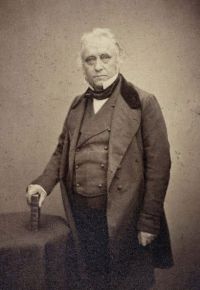
Portrait of Thomas Babington Macaulay Thomas Babington Macaulay The History of England from the Accession of James II…

The whole population crowded to the Diamond to hear the royal epistle read. At the close all the guns on the ramparts sent forth a voice of joy: all the ships in the river made answer: barrels of ale were broken up; and the health of their Majesties was drunk with shouts and volleys of musketry.
Five generations have since passed away; and still the wall of Londonderry is to the Protestants of Ulster what the trophy of Marathon was to the Athenians. A lofty pillar, rising from a bastion which bore during many weeks the heaviest fire of the enemy, is seen far up and far down the Foyle.
Source: Wikisource

Portrait of Thomas Babington Macaulay Thomas Babington Macaulay The History of England from the Accession of James II…

Then at length the effects of the policy of Tyrconnel began to be felt even in that remote corner of Ireland. In the eyes of the peasantry of Munster the colonists were aliens and heretics. The buildings, the boats, the machines, the granaries, the dairies, the furnaces, were doubtless contemplated by the native race with that mingled envy and contempt with which the ignorant naturally regard the triumphs of knowledge. Nor is it at all improbable that the emigrants had been guilty of those faults from which civilised men who settle among an uncivilised people are rarely free.
Source: Wikisource

Portrait of Thomas Babington Macaulay Thomas Babington Macaulay The History of England from the Accession of James II…

While one party in the Council at Dublin regarded James merely as a tool to be employed for achieving the deliverance of Ireland, another party regarded Ireland merely as a tool to be employed for effecting the restoration of James. To the English and Scotch lords and gentlemen who had accompanied him from Brest, the island in which they sojourned was merely a stepping stone by which they were to reach Great Britain. They were still as much exiles as when they were at Saint Germains; and indeed they thought Saint Germains a far more pleasant place of exile than Dublin Castle.
Source: Wikisource

Get perspective with Kwize: daily news enlightened by great literature