Antiochus I Soter

Definition and stakes

Edwyn Robert Bevan,  1911 Encyclopædia Britannica (1911)

“ Antiochus I. Soter (324 or 323–262) was half a Persian, his mother Apame being one of those eastern princesses whom Alexander had given as wives to his generals in 324. On the assassination of his father (281) , the task of holding together the empire was a formidable one, and a revolt in Syria'broke out almost immediately. With his father's murderer, Ptolemy, Antiochus was soon compelled to make peace, abandoning apparently Macedonia and Thrace. In Asia Minor he was unable to reduce Bithynia or the Persian dynasties which ruled in Cappadocia. ”
Source: Wikisource

The historians' history of the world in twenty-five volumes…

“ He defeats Lysimachus on the plain of Corus in 281 and is assassinated by Ptolemy Ceraunus in 280. He is the builder of the capital cities of Seleucia and [24] Antioch. His son Antiochus (I) Soter succeeds. He gives up all claim to Macedonia on the marriage of Seleucus’ daughter, Phila, to Antigonus Gonatas. Dies 261, his son Antiochus (II) Theos succeeding. In this reign the kingdom is greatly weakened by the revolt of Parthia and Bactria, leading to the establishment of the Parthian empire by Arsaces about 250. ”
Source: Gutenberg

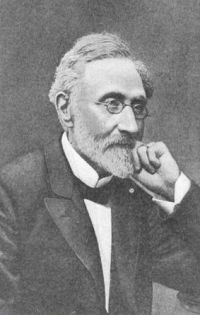
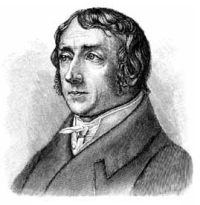
Portrait of Barthold Georg Niebuhr Barthold Georg Niebuhr,  Niebuhr's lectures on Roman history… (1875)

“ They [Pg 182] were defeated by Antiochus Soter, on which they withdrew into the mountains, and when circumstances had changed, they burst forth again: every one paid them tribute to escape their ravages. When the war broke out between Ptolemy Euergetes and Seleucus Callinicus, and afterwards between the former and Antiochus Hierax, they sold themselves, being thoroughly faithless, now to one now to the other, and they became the scourge of the whole of Asia, until to the astonishment of everybody, Attalus of Pergamus, refusing to pay them tribute any longer, attacked, and defeated them ”
Source: Gutenberg

Get perspective with Kwize: daily news enlightened by great literature