Antonín Dvořák

Definition and stakes

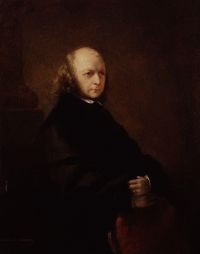
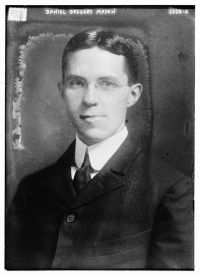
Portrait of Jan Branberger Jan Branberger Bohemia's claim for freedom (1915)

The unquestioned merits of his many and varied works warrant his recognition as the founder of the modern Bohemian School of Composition. Smetana's heir, as a worthy representative of the purely Slavonic in musical composition, was Antonin Dvorak, whose name is well known in England, where his fame is acknowledged by the frequent performance of many of his best works by the principal choral and orchestral societies.
Dvorak's start in life was very humble; he had more difficulties to overcome in the pursuit of education than the majority even of music's least favoured sons.
Source: Wikisource

W. H. Hadow Studies in Modern Music, Second Series

For a time of political crisis not only brings out all that is best in a man, it also draws him nearer to his people, and makes him at once more desirous and more capable of serving as its true representative. And so it has been with Dvořák. If we compare his melody with that of Smetana, and with that of the Bohemian folk-songs, we shall find a notable resemblance of thought and feeling, they are all of one family, of one kindred, connected by a sympathy that the widest distinctions of treatment cannot annul.
Source: Gutenberg

W. H. Hadow Studies in Modern Music, Second Series

There is too much monotony of suffering: there is too much gloom and terror and pain: a tragedy so unrelieved comes near to over-straining the sympathy of the spectator. But for all this it offers certain points of vantage which Dvořák was abundantly qualified to seize. In setting the words, he wisely treated the musical aspect as paramount, brought to the task all his resources of rhythm and harmony and melodic invention, and produced a poem in which horror itself is made beautiful, and darkness lightened with flashes of electric genius.
Source: Gutenberg

Get perspective with Kwize: daily news enlightened by great literature