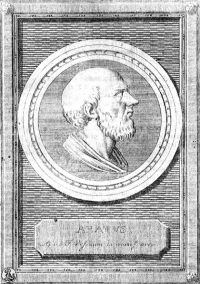
Aratus of Soli

Definition and stakes

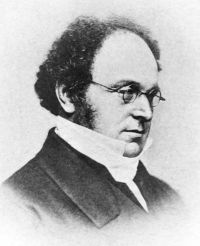
Portrait of Aratus Aratus The Phenomena and Diosemeia of Aratus (1848)

WHEN Cilicia, in the days of Cicero [1] , boasted of being the birth-place of the Poet Aratus, there was reserved for her a far higher honour, the giving birth to one of the noblest of mankind, if true nobility consist in the power of benefiting the human race, and in the exercise of that power to the greatest extent by the most unexampled self-denial. Soli, the native city of Aratus, was not far distant from Tarsus, the birth-place of St Paul
Source: Wikisource

Charles Thomas Cruttwell The History of Roman Literature

ARATUS (280 B.C.) , known as the model of Cicero's, and in a later age of Domitian's [40] youthful essays in verse, was born at Soli in Cilicia about three hundred years before Christ. He was not a scientific man, [41] but popularised in hexameter verse the astronomical works of Eudoxus, of which he formed two poems, the Phaenomena and the Diosemia, or Prognostics. These were extravagantly praised, and so far took the place of their original that commentaries were written on them by learned men, [42] while the works of Eudoxus were in danger of being forgotten.
Source: Gutenberg

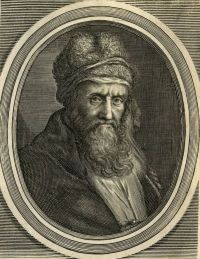
Portrait of Plutarch Plutarch Plutarch's Lives — Aratus (1859)

Robbers nest themselves in rocks and precipices; but the strongest fort a king can have is confidence and affection. These have opened to you the Cretan sea; these make you master of Peloponnesus, and by the help of these, young as you are, are you become captain of the one, and lord of the other." While he was still speaking, Philip returned the entrails to the priest, and drawing Aratus to him by the hand, "Come, then," said he, "let us follow the same course;"
Source: Wikisource

Get perspective with Kwize: daily news enlightened by great literature