Arawak people

Definition and stakes

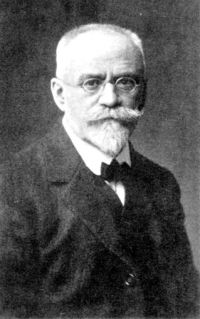
1911 Encyclopedia Britannica (1911)

“ The Arawaks proper were physically an undersized, weakly people, peaceable agriculturists, by far the most civilized of all Guiana peoples, being skilful weavers and workers in stone and gold. The chief tribes which may be called Arawakan are the Anti, Arawak, Barre, Goajiro, Guana, Manaos, Maneteneri, Maipuri, Maranho, Moxo, Passé, Piro and Taruma. ”
Source: Wikisource

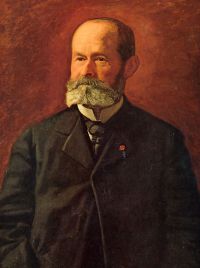
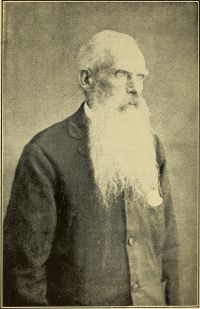
Portrait of James Rodway James Rodway,  The West Indies and the Spanish Main

“ Even a landing for fresh water had to be made in the most cautious manner, and the carriers protected by a strong guard. No doubt the Caribs had heard of the white man's cruelties from their Arawak prisoners, and were therefore all the more ready to repel their invasions. This was particularly noticeable later when the English and French arrived and found them by no means so [Pg 21] ferocious as the Spaniards had reported. Possibly they knew these people to be enemies to their foes, and were therefore all the more ready to be friendly as long as no attempts were made to oppress them. ”
Source: Gutenberg

Rajah of Sarawak James,  The Expedition to Borneo of H.M.S. Dido

“ They promised to obey me, and look upon me as their chief: they desired to trade, and would guaranty any Sarāwak people who came to their river; but they could not answer for all the Dyaks in the Batang Lupar. It is well known, however, that the Batang Lupar Dyaks are more peaceable than those of Sakarran, and will be easily managed; and as for the breaking out of these old feuds, it is comparatively of slight importance, compared to the grand settlement; for as our influence increases we can easily put down the separate sticks of the bundle. ”
Source: Gutenberg

Get perspective with Kwize: daily news enlightened by great literature