Battle of Lodi

Definition and stakes

W. W. W. Humbley,  Journal of a Cavalry Officer; Including the Memorable Sikh Campaign of 1845-1846

“ Sultan Baber, as I have before observed, in 1525, with 12,000 men and guns, defeated Ibrahim Lodi, the emperor of Delhi, who had 100,000 men and no guns. In the battle of [Pg 257] Paniput, in 1761, when the Maharattas strove for the ascendancy over the Mahomedans, there were not above 150,000 men on either side. The infantry in Akbar's time were very indifferent soldiers. Elphinstone says: [57] "that it is mentioned in the Akbarnama that the chiefs of Scinde employed Portuguese soldiers in this war; and had also 200 natives dressed as Europeans." ”
Source: Gutenberg

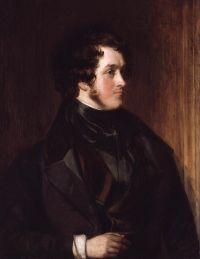
Portrait of William Harrison Ainsworth William Harrison Ainsworth,  The Constable De Bourbon

“ When the Imperial army quitted Milan on our approach it was in a state of great disorder. The men had suffered greatly by their march, and were in many cases without arms, and almost without accoutrements. Again, the plague has thinned their ranks, and those who are left are disheartened. They can soon be starved out at Lodi, where provisions are scanty. Lodi ours—Bourbon, Pescara, Lannoy, and Sforza captives—Pavia and all the other cities and fortresses of the duchy must inevitably surrender. ”
Source: Gutenberg

Various,  The Southern Literary Messenger… (1836)

“ The force which he had in hand at Lodi was more formidable in character than numbers, consisting of three brigades of Massena's division, the grenadier corps lately commanded by Laharpe, and a reserve of light cavalry under general Beaumont, in all about 13,000 men; Gen. Kilmaine with the principal part of the horse, and Gen. Mesnard with a brigade of infantry, had been detached in the morning from Casal; the first to the left for the double purpose of keeping free that wing of the army, and of hanging upon the flank of the Austrian divisions in their retreat from Milan to Cassano ”
Source: Gutenberg

Get perspective with Kwize: daily news enlightened by great literature