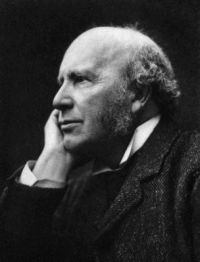
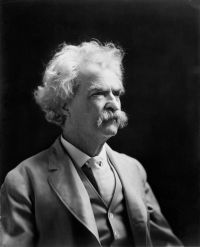
The Battle of Poitiers (19 September 1356) represented a crucial turning point in the Hundred Years' War, during which the French army under King John II fell to Edward, the Black Prince’s Anglo-Gascon troops. Although the French held a numerical advantage, they disintegrated following a strategic flanking operation by the Anglo-Gascon forces, resulting in John’s capture and a change in the war’s direction. Historians such as Hilaire Belloc highlighted its chivalric aspects, while Eugène Sue condemned the French nobility’s perceived cowardice, in contrast to S.
P. Scott’s analysis of the battle’s diverse military composition. Jean Froissart’s chronicles and Louise Creighton’s writings emphasize its strategic and social consequences, portraying it as both a military milestone and an embodiment of medieval chivalric values. The battle’s influence persists in historical and literary depictions, underscoring its lasting significance in shaping the course of the conflict.
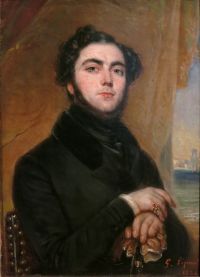 Eugène Sue,
The Abbatial Crosier; or, Bonaik and Septimine…
Eugène Sue,
The Abbatial Crosier; or, Bonaik and Septimine…