Beaumont and Fletcher

Definition and stakes

Herbert John Clifford Grierson,  The First Half of the Seventeenth Century (1906)

“ The best characters in Beaumont and Fletcher's plays are those the very breath of whose life is sentiment. Arethusa and Aspatia, Bellario and Ordella, are charming if ethereal figures. Devoted love and sweet submissiveness flow in golden phrases from their lips. But on the other hand, where energy of will and intensity of passion are most imperatively required, Beaumont and Fletcher appear to me to fall short. Their handling of evil characters and terrible incidents is inferior to that of Webster or Middleton or Ford. Nothing is forbidden to the poet if his treatment be adequate. ”
Source: Wikisource

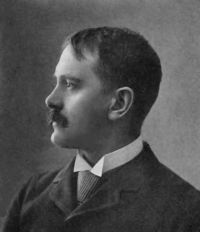
Portrait of Charles Mills Gayley Charles Mills Gayley,  Francis Beaumont: Dramatist

“ Only as Pollux was on one side a demigod of diviner blood than Castor can it be said that on any side Beaumont was a poet of higher and purer genius than Fletcher; but so much must be allowed by all who have eyes and ears to discern in the fabric of their common work a distinction without a difference." If I have succeeded in showing that in the fabric of their common work the distinction between Beaumont and Fletcher is measured by a wide and clearly visible difference, I shall be happy. ”
Source: Gutenberg

Various,  The New Gresham Encyclopedia. Atrebates to Bedlis

“ According to the testimony of some of their contemporaries, Beaumont possessed the deeper and more thoughtful genius, Fletcher the gayer and more idyllic. Four Plays in One, Wit at Several Weapons, Thierry and Theodoret, Maid's Tragedy, Philaster, King and no King, Knight of the Burning Pestle, Cupid's Revenge, Little French Lawyer, Scornful Lady, Coxcomb, and Laws of Candy have been assigned to Beaumont and Fletcher conjointly. ”
Source: Gutenberg

Get perspective with Kwize: daily news enlightened by great literature