Bois-Guilbert

Definition and stakes

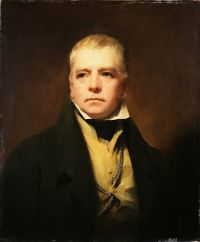
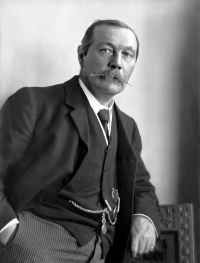
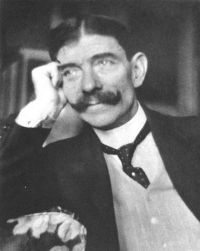
Portrait of Walter Scott Walter Scott Ivanhoe (1820)

I have assailed thy resolution in vain, and mine own is fixed as the adamantine decrees of fate."
"Thus," said Rebecca, "do men throw on fate the issue of their own wild passions. But I do forgive thee, Bois-Guilbert, though the author of my early death. There are noble things which cross over thy powerful mind; but it is the garden of the sluggard, and the weeds have rushed up, and conspired to choak the fair and wholesome blossom."
Source: Wikisource

Portrait of Walter Scott Walter Scott Ivanhoe (1820)

Since that day I have separated myself from life and its ties—My manhood must know no domestic home—must be soothed by no affectionate wife—My age must know no kindly hearth—My grave must be solitary, and no offspring must outlive me, to bear the ancient name of Bois-Guilbert.
Source: Gutenberg

Portrait of Walter Scott Walter Scott Ivanhoe (1820)

I had paid dear for my complaisance.—But what ails thee, brother?—Thy step totters, thy brow is as black as night. Art thou well, Bois-Guilbert?”
“Ay,” answered the Templar, “as well as the wretch who is doomed to die within an hour.—Nay, by the rood, not half so well—for there be those in such state, who can lay down life like a cast-off garment. By Heaven, Malvoisin, yonder girl hath well-nigh unmanned me. I am half resolved to go to the Grand Master, abjure the Order to his very teeth, and refuse to act the brutality which his tyranny has imposed on me.”
Source: Gutenberg

Get perspective with Kwize: daily news enlightened by great literature