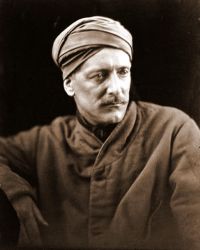
British Guiana, a former British colony (1814–1966) on South America’s northern coast, now known as Guyana, was shaped by colonial exploitation, diverse ethnic dynamics, and a struggle for self-determination. Authors like Mrs. Cecil Clementi depicted its challenging terrain and labor shortages, while Anthony Trollope countered colonial prejudices with vivid, if critical, imagery.
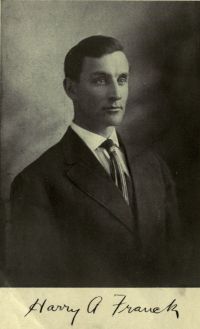
Madison Grant highlighted its multicultural society, and C. Reginald Enock emphasized its overlooked significance within the British Empire. These perspectives collectively reveal a land marked by economic dependence on sugar and bauxite, administrative complexities of colonial rule, and the enduring legacy of indentured labor, culminating in its 1966 independence.