“ Beckett's house, and paddled slowly with the nearly-flood tide up the Berbice River. It was two o'clock, the hottest time of the day. For three miles we drifted past the chosen haunts of the hoatzins. All were perched in the shade, quiet in the intense heat, squatting prostrate or sleepily preening their plumage. Now and then we saw a bird on her nest, always over the water. If she was sitting on eggs she sat close. If young birds were in the nest she half-crouched, or perched on the rim, so that her body cast a shadow over the young. ”
Berbice
Definition and stakes
The Berbice River, a major waterway in eastern Guyana, extends 595 km through dense forests to the Atlantic, characterized by its tidal reach and strategic estuary. Historically, it was a hub for Dutch colonial trade, British administration, and a pivotal 18th-century slave uprising.
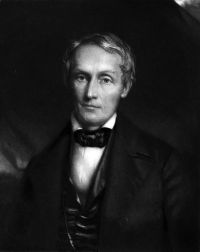
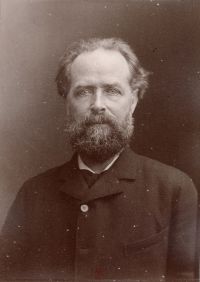
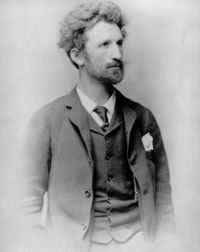
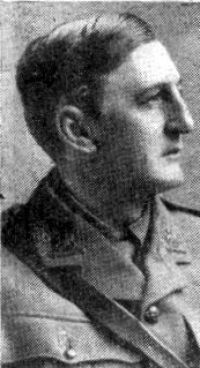
Authors like William Beebe vividly described its ecology, while publications such as the Anti-Slavery Monthly Reporter emphasized its troubled legacy of exploitation. Élisée Reclus and R. B. Cunninghame Graham examined Berber cultures, indirectly illustrating the river’s broader regional connections. These diverse perspectives highlight the Berbice’s dual role as a lifeline and a contested emblem of colonial and ecological complexity.
Quotes about “Berbice”
James Wood, The Nuttall Encyclopædia — B
“ Berber (8) , a town in Nubia, on the Nile, occupied by the English; starting-point of caravans for the Red Sea; railway was begun to Suakim, but abandoned.Ber`berah, the seaport of Somaliland, under Britain, with an annual fair that brings together at times as many as 30,000 people.Berbers (3,000) , a race aboriginal to Barbary and N. Africa, of a proud and unruly temper; though different from the Arab race, are of the same religion.Berbice, the eastern division of British Guiana; produces sugar, cocoa, and timber.Berbrugger, a French archæologist and philologist ”
Anti-Slavery Monthly Reporter, March 1829 (1829)
“ Fresh Atrocities in Berbice. Berbice has been one of the colonies which has boasted the most of its humanity, but which, to say the least, has been not less distinguished for its cruelties than the other colonies. Its Memorial to the Privy Council, in 1827, was loud in professions of tenderness for the feelings of the slaves, notwithstanding the recency of those reports of its Fiscal which filled this country with horror. (See Reporters, Nos. 5 and 16.) Later reports from this colony continue, as may be seen in the Anti-Slavery Reporter, No. ”