Castor and Pollux

Definition and stakes

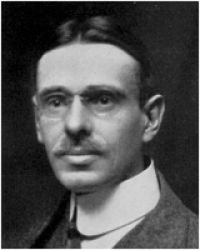
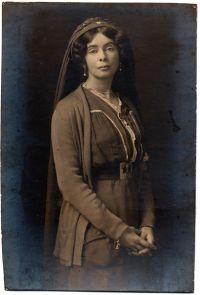
Portrait of Alice Askew Alice Askew,  The sporting chance (1910)

“ Miss Armitage isn't there. I may cheer my own horse. Come along, Pollux!"
Castor and Pollux were running practically level. Some four or five horses were in advance of them, and about the same number followed behind. Between these, the two big black colts, suddenly revealed by the dividing up of the field, stood out conspicuously. The lemon and lavender—the puce and black diamonds—the two horses that might have been twins—Castor and Pollux—battling together for Rada and for Mostyn—shoulder to shoulder, like brethren, yet, in very truth, the sternest of adversaries.
”
Source: Gutenberg

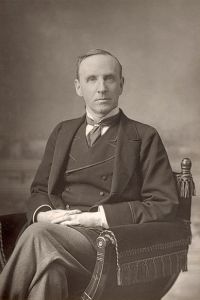
H. A. Guerber,  Myths of Greece and Rome

“ Pollux, who was immortal, then implored Jupiter to allow him to die also, that he might not be parted from his brother,—a proof of brotherly affection which so touched the father of the gods, that he permitted Castor to return to life on condition that Pollux would spend half his time in Hades.
Later on, satisfied that even this sacrifice was none too great for their fraternal love, he translated them both to the skies, where they form a bright constellation, one of the signs of the zodiac. Castor and Pollux are generally represented as handsome youths, mounted on snowy chargers.
”
Source: Gutenberg

Get perspective with Kwize: daily news enlightened by great literature