The Chamar, a historically marginalized caste in India, is primarily linked to leatherworking and agriculture, often occupying a liminal position within Hindu society. Authors such as R. V. Russell detail their economic roles, highlighting both their resilience—such as their drive to own land—and systemic oppression, including their status as "helots" under British rule.
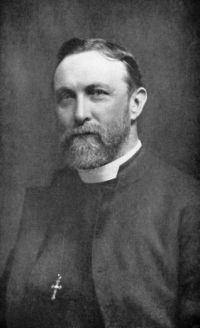
George Alfred Lefroy emphasizes their complex identity through a narrative of religious resistance, while William Crooke observes their physical distinctiveness and ritual importance. These perspectives collectively reveal the Chamar’s entanglement with caste hierarchies, occupational stigma, and cultural endurance, portraying them as both victims of social stratification and agents of adaptive survival.