Charles IV of Bohemia

Definition and stakes

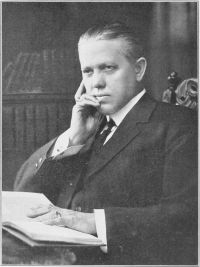
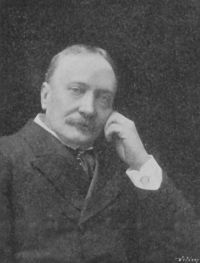
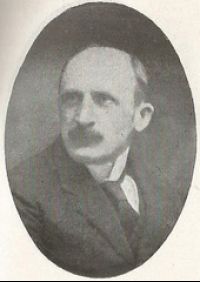
Portrait of Charles IV Charles IV Select Historical Documents of the Middle Ages (1892)

Charles the Fourth, by favour of the divine mercy emperor of the Romans, always august, and king of, Bohemia; as a perpetual memorial of this matter. Every kingdom divided against itself shall be desolated. For its princes have become the companions of thieves. Wherefore God has mingled among them the spirit of dizziness, that they may grope in midday as if in darkness; and He has removed their candlestick from out of His place, that they may be blind and leaders of the blind. And those who walk in darkness stumble
Source: Wikisource

The Great Events by Famous Historians…

The personal traits and the languid reign of Charles IV have been treated by historians with derision. He forgot the general welfare of the empire in his eagerness to enrich his own house and aggrandize his paternal kingdom of Bohemia. The one remarkable law which emanated from him, and whereby alone his reign is distinguished in the constitutional history of the empire, is that embodied in the Golden Bull. By this instrument the dignity of the electors was greatly enhanced, and the disputes which had arisen between members of the same house as to their right of suffrage were terminated.
Source: Gutenberg

J. N. Larned History for ready reference, Volume 2…

But he never deigned to trouble himself about the empire, except for his private' ends. He did not neglect the kingdom of Bohemia, to which he almost seemed to render Germany a province. Bohemia had been long considered as a fief of the empire, and indeed could pretend to an electoral vote by no other title. Charles, however, gave the states by law the right of choosing a king, on the extinction of the royal family, which seems derogatory to the imperial prerogative. ... He constantly resided at Prague, where he founded a celebrated university, and embellished the city with buildings.
Source: Gutenberg

Get perspective with Kwize: daily news enlightened by great literature