Chosroes II

Definition and stakes

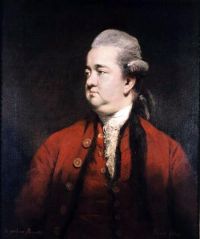
Portrait of Edward Gibbon Edward Gibbon,  The History of the Decline and Fall of the Roman Empire (1897)

“ The virtue of Chosroes was that of a conqueror, who, in the measures of peace and war, is excited by ambition and restrained by prudence; who confounds the greatness with the happiness of a nation, and calmly devotes the lives of thousands to the fame, or even the amusement, of a single man. In his domestic administration, the just Nushirvan would merit, in our feelings, the appellation of a tyrant. ”
Source: Wikisource

James Bryce,  1911 Encyclopædia Britannica (1911)

“ This lasted till 539, when Chosroes declared war, alleging that Justinian had been secretly intriguing against him with the Hephthalite Huns, and doubtless moved by alarm and envy at the victories which the Romans had been gaining in Italy. The emperor was too much occupied in the West to be able adequately to defend his eastern frontier. Chosroes advanced into Syria with little resistance, and in 540 captured Antioch, then the greatest city in Asia, carrying off its inhabitants into captivity. ”
Source: Wikisource

Procopius,  History of the Wars, Books I and II: The Persian War

“ So while all the notables of the Persians were harassing me unceasingly with their demand that I should drag the city as with a net and destroy all the captives, I was commanding the fugitives to press on still more in their flight, in order that they might save themselves as quickly as possible. For to trample upon captives is not holy." Such high-sounding and airy words did Chosroes speak to the ambassadors, but nevertheless it did not escape them why he gave time to the Romans in their flight. ”
Source: Gutenberg

Get perspective with Kwize: daily news enlightened by great literature