Comanche people

Definition and stakes

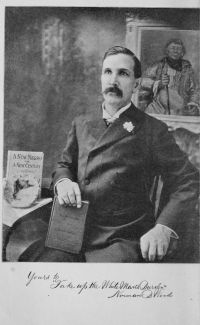
Portrait of Mayne Reid Mayne Reid,  The man-eaters and other odd people (1860)

“ These misguided savages, one and all, regard agricultural pursuits as unworthy of men; and wherever necessity compels them to practise them, the work falls to the lot of the women and slaves,—for be it known that the Comanche is a slave-owner; and holds in bondage not only Indians of other tribes, but also a large number of mestizoes and whites of the Spanish race, captured during many a sanguinary raid into the settlements of Mexico! ”
Source: Gutenberg

Jack R. Williams,  The Indians of Carlsbad Caverns National Park

“ Comanche is a Ute Indian word meaning “enemy,” and it is often felt that they found their way to New Mexico under the tutelage of the Utes. Yet, sometime between 1747, and April, 1749, the two became deadly enemies. After 1750, the Utes joined the Apaches to fight the Comanches.
Actually, there are about 20 different names given for Comanche, meaning everything from “enemies” to “snake people.” The Ute definition is more fitting, however; for from about 1705 to 1875, they raided and fought the Spanish, Utes, Apaches, Pueblos, Texans and the U. S. Army among others.
”
Source: Gutenberg

Henry Inman,  Tales of the Trail: Short Stories of Western Life

“ So many years ago that it seemed like a dream even to the narrator, the Comanches were the greatest tribe on earth. Their warriors were as numerous as a herd of buffalo on the Arkansas in the fall. They were more cunning than the coyote. Their herd of ponies contained so many animals—all fine and fat—that no man could [53] count them in a year. All the other Indians of the plains and mountains feared and trembled at the name of Comanche.
In the tribe, as is ever the case, there were two warriors who excelled all the others in their prowess.
”
Source: Gutenberg

Get perspective with Kwize: daily news enlightened by great literature