Congress of Vienna

Definition and stakes

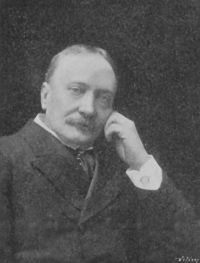
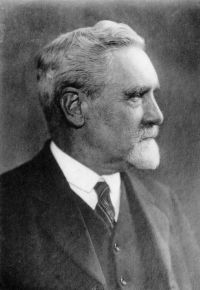
Portrait of Hendrik Willem Van Loon Hendrik Willem Van Loon,  The Story of Mankind (1921)

“ The Congress of Vienna was a gathering of men who had just passed through a great revolution and through twenty years of terrible and almost continuous warfare. They came together for the purpose of giving Europe that "peace and stability" which they thought that the people needed and wanted. They were what we call reactionaries. They sincerely believed in the inability of the mass of the people to rule themselves. They re-arranged the map of Europe in such a way as seemed to promise the greatest possibility of a lasting success. ”
Source: Wikisource

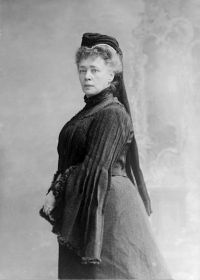
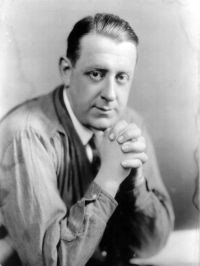
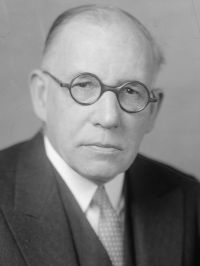
Portrait of Carlton Joseph Huntley Hayes Carlton Joseph Huntley Hayes,  The American Historical Review

“ The most striking lesson to be drawn from the Congress of Vienna is that a power, overwhelmingly defeated on the battlefield and actually occupied in large part by the victorious troops of a grand alliance, may, if it has a diplomatist of the calibre and shrewdness of Talleyrand, set its conquerors at variance one with another and in the name of "legitimacy" or of some other mouth-filling fiction preserve its territorial integrity and continue to play a role as a great power. ”
Source: Wikisource

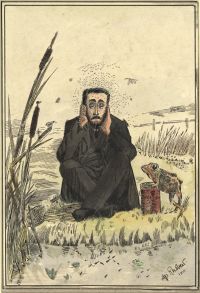
Comte de Auguste Louis Charles La Garde-Chambonas,  Anecdotal Recollections of the Congress of Vienna

“ At the Vienna Congress, hearts hitherto closed, nay, wholly inaccessible, to the observation of the outer world, were often laid open. Amidst the confusion of all ranks, their most transient movements revealed themselves, and lent themselves to being watched, as if taken off their guard in the irresistible whirl of uninterrupted pleasures.
Doubtless, at no time of the world’s history had more grave and complex interests been discussed amidst so many fêtes. A kingdom was cut into bits or enlarged at a ball: an indemnity was granted in the course of a dinner
”
Source: Gutenberg

Get perspective with Kwize: daily news enlightened by great literature