Conquest of New France

Definition and stakes

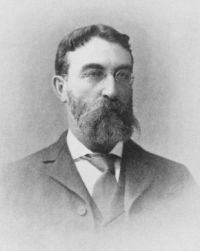
Portrait of George McKinnon Wrong George McKinnon Wrong The Conquest of New France; A Chronicle of the Colonial Wars (1919)

There is no doubt that France could put into the field armies vastly greater than those of England. Had the French been able to cross the Channel, march on London and destroy English power at its root, the story of civilization in a great part of North America might well have been different, and we should perhaps find now on the banks of the Hudson what we find on the banks of the St. Lawrence—villages dominated by great churches and convents, with inhabitants Catholic to a man, speaking the language and preserving the traditions of France.
Source: Gutenberg

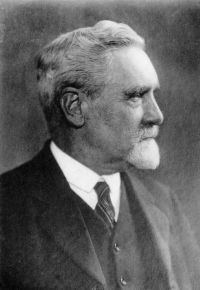
Portrait of George McKinnon Wrong George McKinnon Wrong The Conquest of New France; A Chronicle of the Colonial Wars (1919)

Now, a quarter of a century later, France thought to strike a similar blow against the English, and Louis XIV was resolved that the conquest should be thoroughgoing. The Dutch power had fallen before a meager naval force. The English now would have to face one much more formidable. Two French ships were to cross the sea and to lie in wait near New York. Meanwhile from Canada, sixteen hundred armed men, a thousand of them French regular troops, were to advance by land into the heart of the colony, seize Albany and all 13 the boats there available, and descend by the Hudson to New York.
Source: Gutenberg

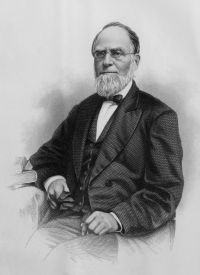
Portrait of George McKinnon Wrong George McKinnon Wrong The Conquest of New France; A Chronicle of the Colonial Wars (1919)

Among the French the opinion prevailed that the English colonists were ferocious pirates plotting eternally to destroy the power of France. Their liberty, however, it was well understood, had made them strong; and now they quickly became formidable soldiers. Their shooting, bad at first, was, in the end, superb. Sometimes in their excess of zeal they overcharged their cannon so that the guns burst. But they managed to hit practically every house in Louisbourg, and since most of the houses were of wood there was constant danger of fire. Some of the French fought well.
Source: Gutenberg

Get perspective with Kwize: daily news enlightened by great literature