Constantine II of Scotland

Definition and stakes

James Gray,  Sutherland and Caithness in Saga-Time…

“ In the reign of the great king Constantine III, between the years 900 and 942, the Danes again gave trouble. In 903 the Irish Danes ravaged Alban,11 as Scotland north of the Forth was then called, for a whole year; in 918 Constantine and his ally, Eldred of Lothian, were defeated by another expedition of these invaders; and in 934 Athelstan and his Saxons burst into Strathclyde and Forfar, the heart of Constantine's kingdom, and the Saxon fleet was sent up even to the shores of Caithness, as a naval demonstration intended to brave the Norse, who had joined Constantine, on their own element. ”

Source: Gutenberg

Margaret MacArthur,  History of Scotland

“ The allies were utterly routed in the great battle of Brunanburh, in which Constantine's son was slain, in 937. Six years later Constantine exchanged civil for spiritual rule, and retired as abbot to the Monastery of St. Andrews.
13. Annexation of Strathclyde.—Malcolm I. (943-954) succeeded Constantine, though not his son, but his kinsman, for the Scots did not adhere strictly to the order of succession which is now customary: though they kept to the royal family, they generally preferred the brother to the son of the last king.
”
Source: Gutenberg

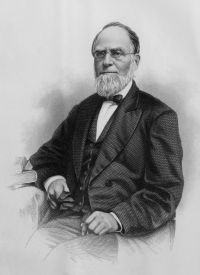
Portrait of Aeneas James George Mackay Aeneas James George Mackay,  Dictionary of National Biography… (1887)

“ While Constantine was thus unsuccessful in his contest with the Wessex kings and Northumbria remained under Anglo-Saxon rulers, he was in all other respects a fortunate king, laying the foundation for the annexation of Strathclyde to Scotland and putting a stop to the incursions of the northmen. In 954 his son Indulph succeeded, after the short reign of Donald, to the throne. His reign was marked by the evacuation of Edinburgh by the Angles, the first step towards the acquisition of Lothian by Scotland. ”
Source: Wikisource

Get perspective with Kwize: daily news enlightened by great literature