Count of Flanders

Definition and stakes

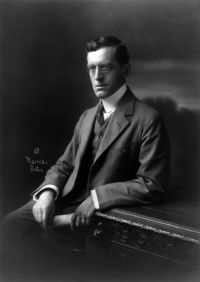
Portrait of François Guizot François Guizot,  A Popular History of France from the Earliest Times…

“ The Count of Flanders was far from following the advice of the King of France, and the King of France was far from foreseeing whither he would be led by the road upon which he had just set foot. It has already been pointed out to what a position of wealth, population, and power, industrial and commercial activity had in the thirteenth century raised the towns of Flanders, Bruges, Ghent, Lille, Ypres, Fumes, Courtrai, and Douai, and with what energy they had defended against their lords their prosperity and their liberties. ”
Source: Gutenberg

T. F. Tout,  The history of England, from the accession of Henry III. to the death of Edward III.…

“ At the moment when the imperial alliance was tried and found wanting, the way was opened up for close friendship between Edward and the Flemish cities. In earlier years the chivalrous devotion of Louis of Nevers to his overlord had secured the political dependence of Flanders upon the King of France. If the action of their count made the Flemings the tools of French policy, their commercial necessities bound them to England by chains forged by nature itself. Alone of the lands of northern and western Europe, Flanders was not a self-sufficing economic community. ”
Source: Gutenberg

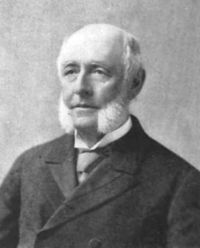
Portrait of George Park Fisher George Park Fisher,  Outlines of Universal History, Designed as a Text-book and for Private Reading

“ Flanders was at that time the richest country in Europe. Its cities were numerous, and the whole land was populous and industrious. From England it received the wool used in its thriving manufactures. To England its people were attached. Philip loaded the Flemish people with imposts. They rose in revolt, and Robert d'Artois, Philip's brother, met with a disastrous defeat in a battle with the Flemish troops at Courtrai, in 1302. The Flemish burghers proved themselves too strong for the royal troops. Flanders was restored to its count, four towns being retained by France. ”
Source: Gutenberg

Get perspective with Kwize: daily news enlightened by great literature