
Cucurbitaceae

Definition and stakes

Portrait of Maxwell T. Masters Maxwell T. Masters,  Vegetable Teratology

“ The portion near the peduncle was binary, while the distal extremity of the fruit was ternary. The main difficulties attending the acceptance of this explanation reside in the peculiar reversed position of the leaf, and in the fact that the fruit of the Cucurbitaceæ is probably of axial nature, the dilated and succulent end of the peduncle adhering to and usually concealing the carpels ”
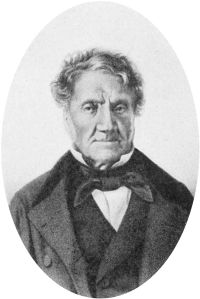
Source: Gutenberg

Portrait of Aimé Bonpland Aimé Bonpland,  Personal Narrative of Travels to the Equinoctial Regions of America…

“ In our climates only the cucurbitaceae produce in the space of a few months fruits of an extraordinary size; but these fruits are pulpy and succulent. Within the tropics, the bertholletia forms in less than fifty or sixty days a pericarp, the ligneous part of which is half an inch thick, and which it is difficult to saw with the sharpest instruments. A great naturalist has observed, that the wood of fruits attains in general a hardness which is scarcely to be found in the wood of the trunks of trees. ”
Source: Gutenberg

1911 Encyclopædia Britannica, Volume 12… (1911)

“ GOURD, a name given to various plants of the order Cucurbitaceae, especially those belonging to the genus Cucurbita, monoecious trailing herbs of annual duration, with long succulent stems furnished with tendrils, and large, rough, palmately-lobed leaves; the flowers are generally large and of a bright yellow or orange colour, the barren ones with the stamens united; the fertile are followed by the large succulent fruit that gives the gourds their chief economic value. Many varieties of Cucurbita are under cultivation in tropical and temperate climates, especially in southern Asia ”
Source: Wikisource

Get perspective with Kwize: daily news enlightened by great literature