Cuenca

Definition and stakes

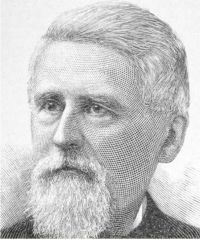
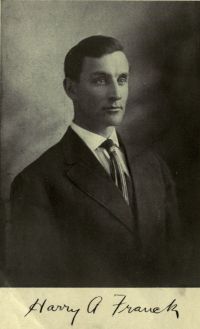
Portrait of Harry Alverson Franck Harry Alverson Franck,  Vagabonding down the Andes

“ In all Cuenca there is only one mean little bookshop, selling religious tracts and translations of American and English “penny dreadfuls.” The intelectuales can only, as it were, feed upon each other and form mutual admiration societies, where admiration soon palls from too constant familiarity and lack of new blood. Few, even of the “best families,” have ever been out of the cuenca, or basin, in which the city lies, and its isolation has given the place something of the atmosphere the traveler is always seeking—commonly in vain—of a world wholly removed from outside influence. ”
Source: Gutenberg

Portrait of Harry Alverson Franck Harry Alverson Franck,  Vagabonding down the Andes

“ Thus life runs its placid course in this far-off city of the Andes. Those who come there after the railway from Huigra reaches Cuenca, if long-pondered plans some day mature, will no doubt find it different, more blasé and less likable, no longer one of the rewards of toiling over the world’s byways. Even electric lights are threatened, and before them will flee one of its most nearly unique characteristics. ”
Source: Gutenberg

1911 Encyclopædia Britannica, Volume 7… (1911)

“ Cuenca stands at the northern end of a broad valley, or basin, of the Andes, lying between the transverse ridges of Azuay and Loja, and is about 8640 ft. above sea-level. Near by is the hill of Tarqui which the French astronomers chose for their meridian in 1742. Communication with the coast is difficult. Cuenca is the third most important city of Ecuador, being the seat of a bishopric, and having a college, a university faculty, a cathedral, and several churches, and a considerable industrial and commercial development. ”
Source: Wikisource

Get perspective with Kwize: daily news enlightened by great literature