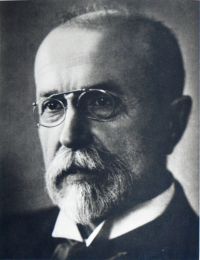
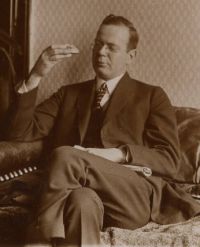
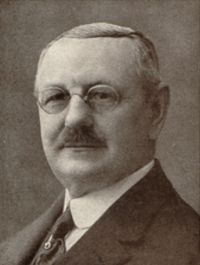
Czechoslovakia, a Central European country that existed from 1918 to 1992, arose as a multiethnic state after the collapse of Austria-Hungary. Its history includes political divisions, Nazi occupation, communist governance, and a peaceful split into the Czech Republic and Slovakia. Thinkers such as Tomáš Masaryk underscored its Slavic roots and diverse population, while Herbert Adams Gibbons focused on the difficulties arising from minority communities.
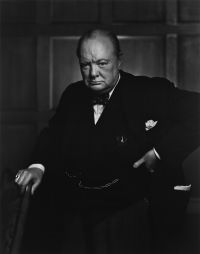
Winston Churchill expressed regret over its decline following the Munich Agreement, and historical records highlight its involvement in World War II and the Prague Spring. Czechoslovakia’s legacy lies in the intricate balance of sovereignty, national identity, and geopolitical changes, ultimately concluding with the symbolic conclusion of the Velvet Revolution.
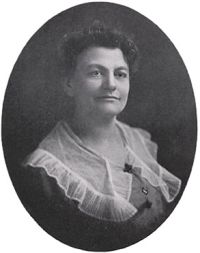 Šárka B. Hrbková,
Czechoslovak Stories
(1920)
Šárka B. Hrbková,
Czechoslovak Stories
(1920)