Delphic Oracle

Definition and stakes

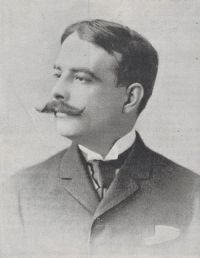
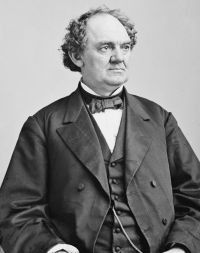
Portrait of P. T. Barnum P. T. Barnum,  The Humbugs of the World

“ The Delphic oracle, and some of the others, used for a long time to give their answers in verses. At last, however, irreverent critics of the period made so much fun of the peculiarly miserable style of this poetry, that the poor oracle gave it up and came down to plain prose. Every once in a while some energetic and cunning man, of skeptical character, insisted on having just such an answer as he wanted. It was well known that Philip of Macedon bought what responses he wished at Delphi. Anybody with plenty of money, who would quietly “see” the priests, could have such a response as he chose. ”
Source: Gutenberg

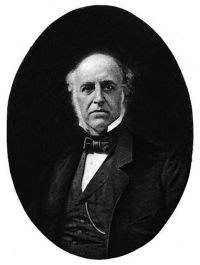
Portrait of William Stewart Ross William Stewart Ross,  God and His Book (1887)

“ A God or an oracle should never utter anything that has not, at least, two meanings.
Gods and oracles have usually observed this rule. Bible readers do not require to be directed to any particular instance of Jehovah's divine ambiguity, and classical readers will readily remember the cleverly equivocal utterances of the Delphic Oracle. Pyrrhus desired to know what would be the result of his projected expedition against Rome. The Oracle replied:—
"Credo te, Æacida, Romanos vincere posse."
”
Source: Wikisource

Portrait of Thomas De Quincey Thomas De Quincey,  Memorials and Other Papers — Complete

“ Prudence, therefore, it was, and state policy, not the power of Christianity, which gave the final shock (of the original shock we shall speak elsewhere) to the grander functions of the Delphic Oracle. But, in the mean time, the humbler and more domestic offices of this oracle, though naturally making no noise at a distance, seem long to have survived its state relations. And, apart from the sort of galvanism notoriously applied by Hadrian, surely the fathers could not have seen Plutarch's account of its condition, already a century later than our Saviour's nativity. ”
Source: Gutenberg

Get perspective with Kwize: daily news enlightened by great literature