Dietrich von Bern

Definition and stakes

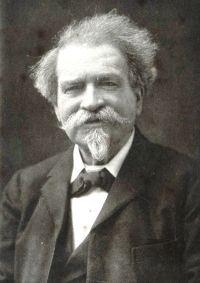
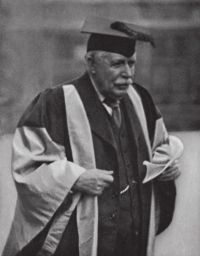
Portrait of H. Munro Chadwick H. Munro Chadwick,  The Heroic Age

“ But there are other features in the story which may be illustrated from medieval beliefs regarding Dietrich von Bern. Sometimes we find this hero represented as the leader of the 'Wild Hunt,' the army of ghosts [468] —a position elsewhere occupied by Wodan or other mythical beings. In medieval German homilies and other religious works he is credited with having been the founder of several famous Roman buildings, such as the Amphitheatre at Verona and the Castle of St Angelo at Rome [469] . In such beliefs we have a close enough parallel to the traditions of Minos. ”
Source: Gutenberg

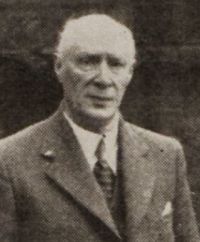
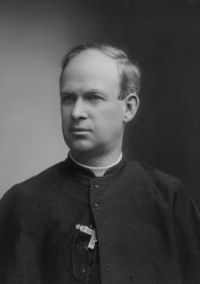
Portrait of J. A. Zahm J. A. Zahm,  From Berlin to Bagdad and Babylon (1922)

“ In Lusatia the mythical Wild Huntsman who, during violent storms, rides furiously across the heavens is called Dietrich von Bern. Living so long after Semiramis it is more surprising that his life should be made the theme of Middle High German poems and Old Norse sagas than that the Assyrian queen should have been made the subject of oriental myth and Greek legend. ”
Source: Gutenberg

Portrait of John Rhŷs John Rhŷs,  Lectures on the Origin and Growth of Religion As Illustrated by Celtic Heathendom (1888)

“ But it is found that with his history so much unhistorical matter has been incorporated, that modern authors usually distinguish between the historical man as Theodoric the Great, and a mythical personage to whom the name Dietrich von Bern is left. Many attempts have been made to disentangle the legends from the historical portions of the story of the Teutonic conqueror ”
Source: Wikisource

Get perspective with Kwize: daily news enlightened by great literature