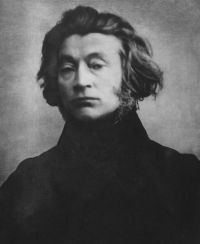
Walther, a figure bridging medieval legend and literary imagination, emerges as a complex archetype of chivalric virtue, poetic brilliance, and moral reflection. Authors from the 19th to early 20th centuries examined him through varied perspectives: as a knightly champion in love and battle, a devout poet wrestling with sin and redemption, or even a provocative publisher of radical thought.
Whether in Lewis Spence’s accounts of his romantic successes, Henry Osborn Taylor’s examination of his devotional verses, or William Morris’s portrayal of his turbulent experiences, Walther represents the struggle between worldly challenges and spiritual yearning, embodying both the aspirations and paradoxes of his time. His influence persists as a multifaceted emblem of medieval humanism and artistic drive.
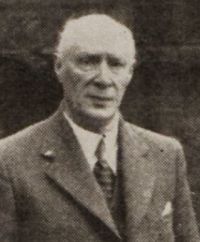 Lewis Spence,
Hero Tales and Legends of the Rhine
Lewis Spence,
Hero Tales and Legends of the Rhine