Dubuque, Iowa

Definition and stakes

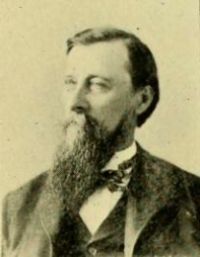
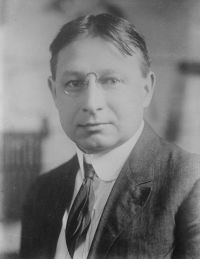
Portrait of Benjamin F. Gue Benjamin F. Gue,  History of Iowa From the Earliest Times to the Beginning of the Twentieth Century (1903)

“ Dubuque is described as a man of medium size, wiry and well built, with black hair and eyes, very courteous an affable, with all grace of the typical Frenchman. He was an accomplished diplomat but was not successful in making money. After eight years in mining and trading he made an effort to secure a title to his leased lands, the only title he held being the permit granted by a council of Fox Indians. The instrument executed was a concession or permit from the Indians to Dubuque to mine for lead ore on the lands described. ”
Source: Wikisource

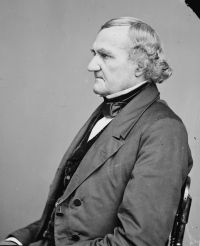
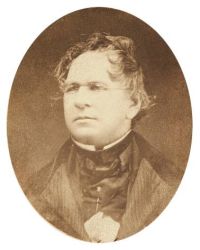
Portrait of Mary Elizabeth Wilson Sherwood Mary Elizabeth Wilson Sherwood,  An Epistle to Posterity — Chapter II (1897)

“ Curtis, Hawthorne, and Margaret Fuller.
It would astonish the good citizens of Dubuque, Iowa, of to-day if I should tell them what a small, pretty village theirs was when I first saw it; how immense prairies filled with wild flowers stretched back from the great bluff (I suppose that is there still) which defends their State of Iowa from the rolling Mississippi, and what a little row of houses clustered under the hill. Beyond on the prairies lived some of our friends, who were early settlers. We used to go out for a day and a night, and had some log-cabin experiences not always pleasant.
”
Source: Wikisource

Roy Norton,  Beneficent Brigands (1908)

“ IN Dubuque, Iowa (pronounced by Mrs. Henry as "Ioway") , he had gained and held for forty years the enviable credit of being the best natured and merriest man in town. Why, everybody knew "Hennery," or "Hank," who was such a "young dog" despite his sixty birthdays. He had been the lodge "sitter up" with the afflicted, the ready politician for ward campaigns, and the emergency comrade always ready to go fishing. ”
Source: Wikisource

Get perspective with Kwize: daily news enlightened by great literature