Earl of Chester

Definition and stakes

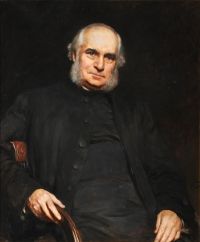
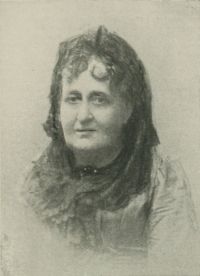
Portrait of Thomas Hughes Thomas Hughes,  The Stranger's Handbook to Chester and Its Environs

“ That they shall take who have the power,
And they shall keep who can.
From this period to the Conquest, Chester has nothing of a tale to tell; but on the accession of William the Conqueror, he created his nephew Hugh Lupus, Earl of Chester, at the same time investing him with supreme authority throughout the county and city, so that he held as absolute a regal sway within those limits as the king himself had in his dominions.
”
Source: Gutenberg

Memorials of old Cheshire (1910)

“ The city of Chester gives its title to the heir to the Crown, as the Prince of Wales is always Earl of Chester; and that fact in itself gives a dignity and importance to both city and county. Then, as will be pointed out in some of the papers which follow, as a County Palatine, Cheshire had privileges and rights of a peculiar character, and all this has made the task of selection of subjects to be treated of more difficult, and the reader will doubtless sympathise with the Editors, even though he may not altogether approve of the result of their labours, and may lament certain omissions. ”
Source: Gutenberg

Memorials of old Cheshire (1910)

“ It was an imperium in imperio, and though Lancashire and Durham claimed similar privileges of Palatinate, their County Palatines were established later than that of Chester and were not so well settled, nor their powers and privileges so clearly defined. For a brief space Cheshire was a Principality, and Richard II. styled himself Princeps Cestriæ, and it can still boast of having a Prince for its Earl, the title of Earl of Chester being always borne since the reign of King Henry III. by the eldest son of the kings of England.
Famous, too, is the county for its illustrious sons.
”
Source: Gutenberg

Get perspective with Kwize: daily news enlightened by great literature