East End

Definition and stakes

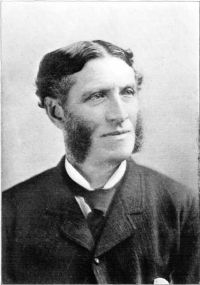
Portrait of Arthur Morrison Arthur Morrison,  Tales of Mean Streets

“ The East End is a vast city, as famous in its way as any the hand of man has made. But who knows the East End? It is down through Cornhill and out beyond Leadenhall Street and Aldgate Pump, one will say: a shocking place, where he once went with a curate; an evil plexus of slums that hide human creeping things, where filthy men and women live on penn'orths of gin, where collars and clean shirts are decencies unknown, where every citizen wears a black eye, and none ever combs his hair. The East End is a place, says another, which is given over to the Unemployed. ”
Source: Gutenberg

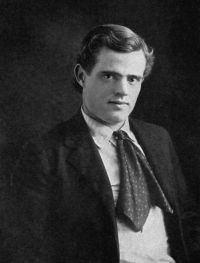
Portrait of Jack London Jack London,  The People of the Abyss (1903)

“ I shall not give you the address of Johnny Upright. Let it suffice that he lives on the most respectable street in the East End—a street that would be considered very mean in America, but a veritable oasis in the desert of East London. It is surrounded on every side by close-packed squalor and streets jammed by a young and vile and dirty generation; but its own pavements are comparatively bare of the children who have no other place to play, while it has an air of desertion, so few are the people that come and go. ”
Source: Wikisource

Emily Constance Baird Cook,  Highways and Byways in London

“ The West End has all the money and all the leisure; the East End monopolizes most of the labour, and nearly all of the dirt. The West End numbers a few thousands of floating population; the East End, a million or so of pretty constant inhabitants. Yet, by some strange association of ideas, it is to this small "West End" that we allude when we speak of "all London," and to which the daily papers refer when in August and September they assure us that "there is absolutely no one left in town." ”
Source: Gutenberg

Get perspective with Kwize: daily news enlightened by great literature