Eisteddfod

Definition and stakes

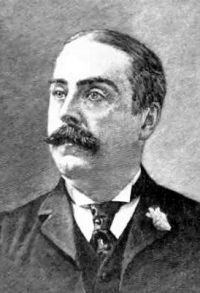
Richard Williams,  1911 Encyclopædia Britannica (1911)

“ The Eisteddfod at Llangollen in 1858 is memorable for its archaic character, and the attempts then made to revive the ancient ceremonies, and restore the ancient vestments of druids, bards and ovates.
To constitute a provincial Eisteddfod it is necessary that it should be proclaimed by a graduated bard of a Gorsedd a year and a day before it takes place. A local one may be held without such a proclamation. A provincial Eisteddfod generally lasts three, sometimes four days. A president and a conductor are appointed for each day.
”
Source: Wikisource

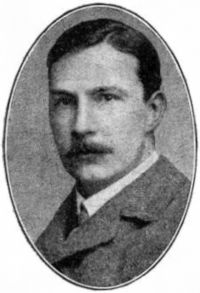
Portrait of Oliver Onions Oliver Onions,  Mushroom Town

“ They did so, as it happened, in the early part of that same summer that saw Edward Garden's ingenious advertisements put into execution—the summer of the Eisteddfod and the Brass Band Contest. Llanyglo was packed with people. Two days before the Eisteddfod, there began to troop into the town from all parts bards and singers, poets and harpers and minstrels and the members of a chorus five hundred voices strong. They came in their everyday clothes, moustached like vikings, bearded and maned like lions, and instantly with their coming the Saxon took a back seat. ”
Source: Gutenberg

Richard Williams,  1911 Encyclopædia Britannica (1911)

“ In the evening of each day a concert is given, generally attended by very large numbers. The great day of the Eisteddfod is the “chair” day—usually the third or last day—the grand event of the Eisteddfod being the adjudication on the chair subject, and the chairing and investiture of the fortunate winner. This is the highest object of a Welsh bard’s ambition. ”
Source: Wikisource

Get perspective with Kwize: daily news enlightened by great literature